Short description
A vibrant, adaptable home for student voices, shaped through colour, culture and collaborative design.

A vibrant, adaptable home for student voices, shaped through colour, culture and collaborative design.
University of Canberra
Constructed by Fore Group
Renovation and re-design of an existing office space
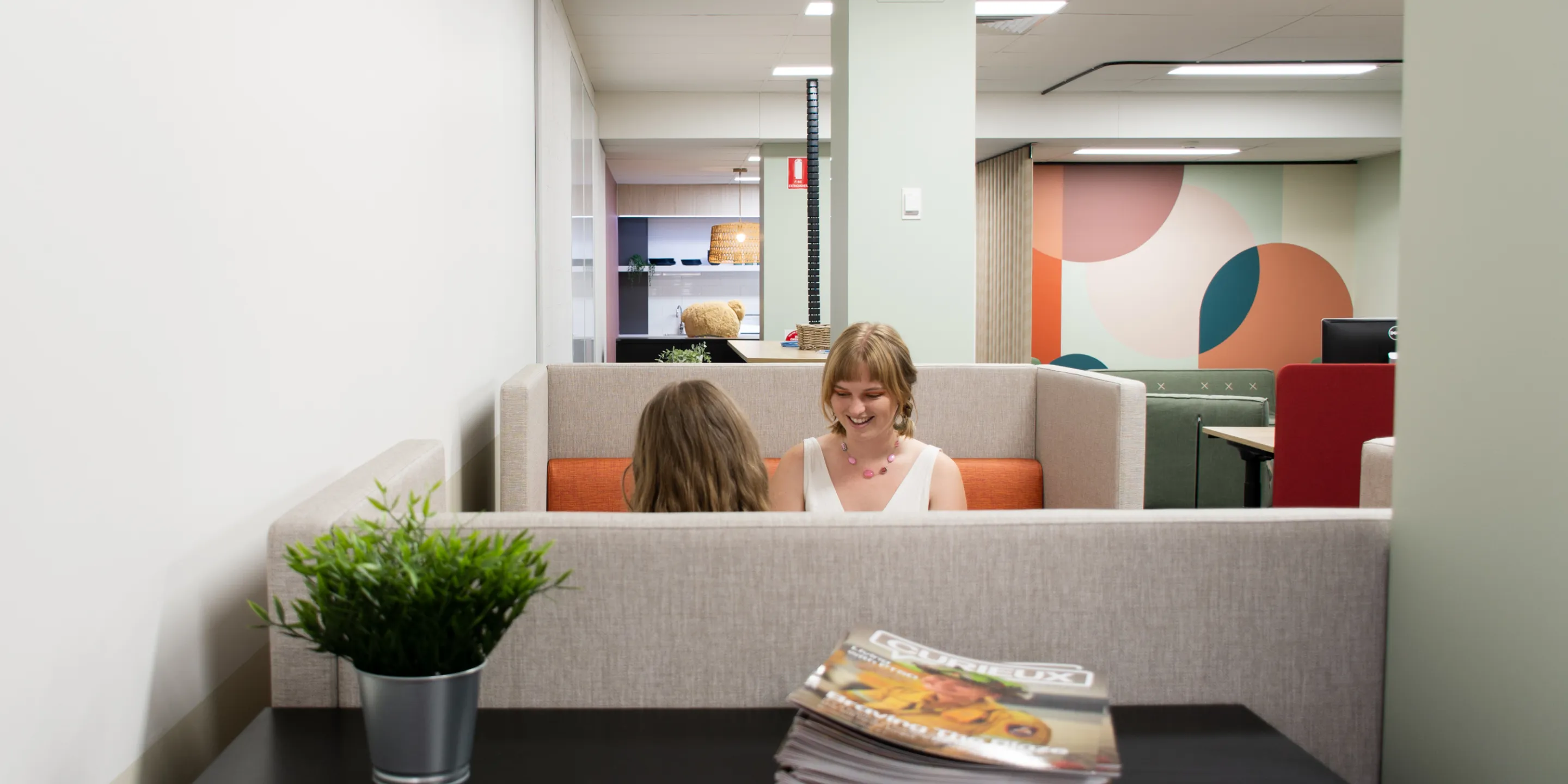
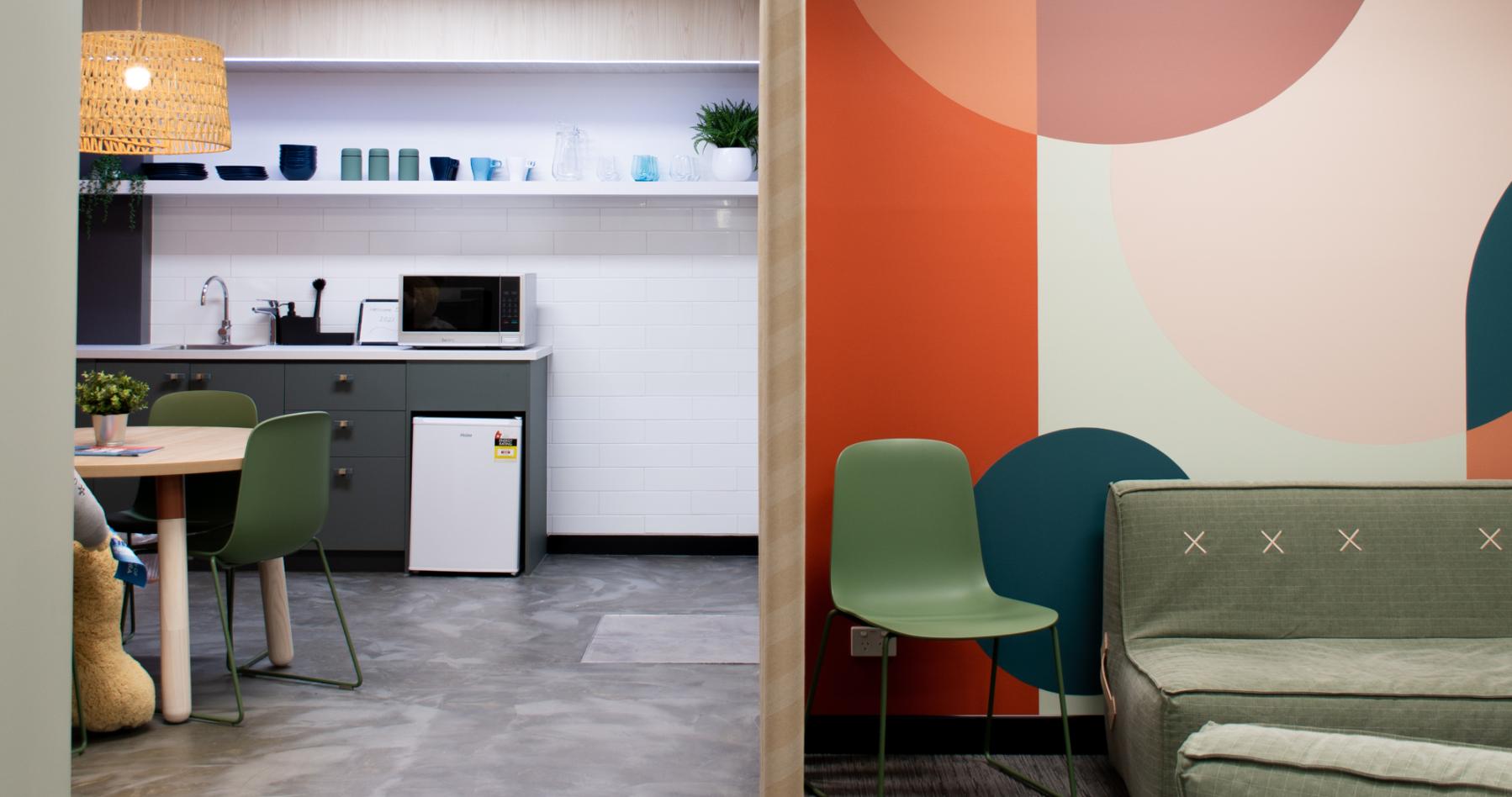
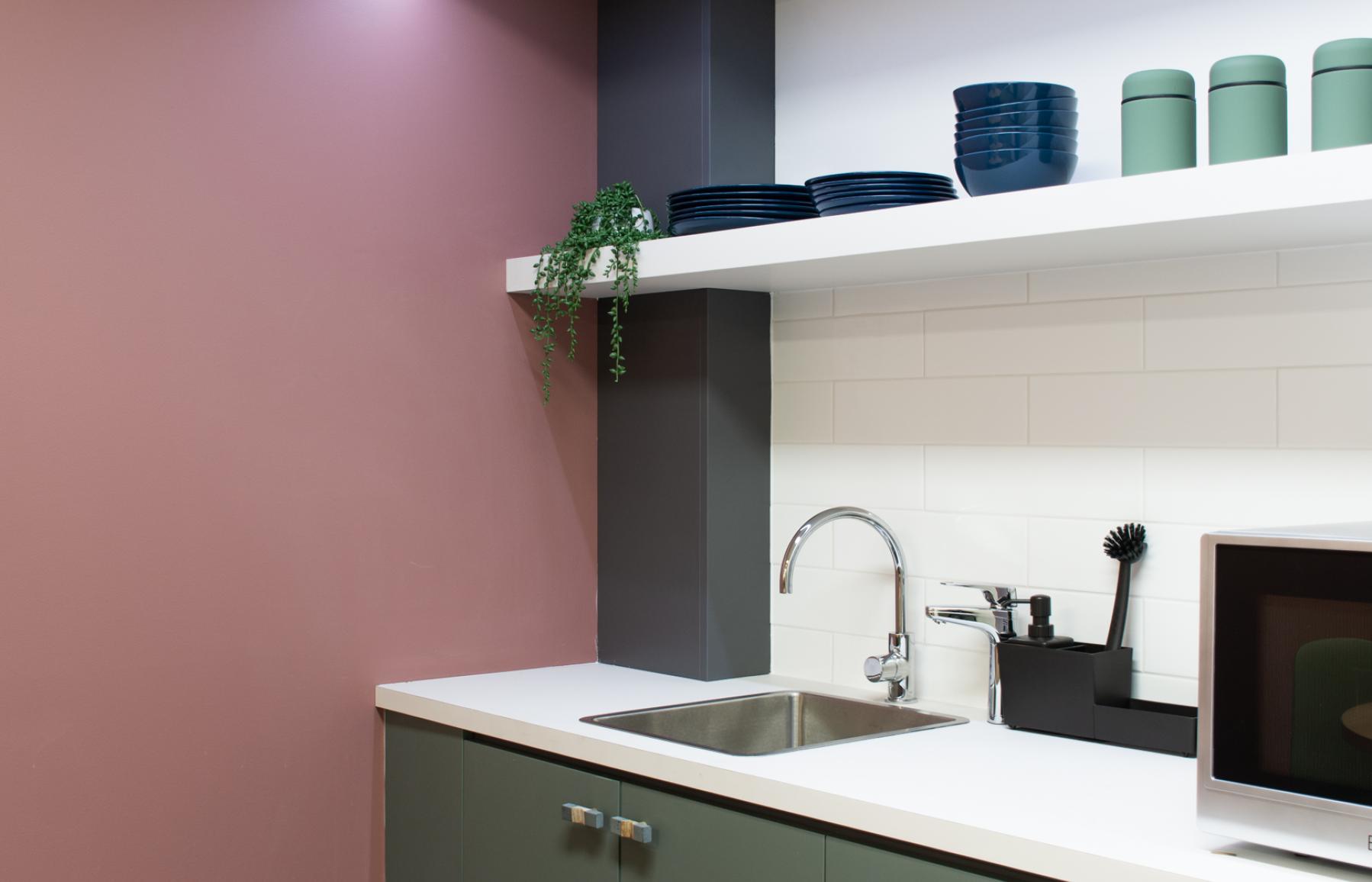
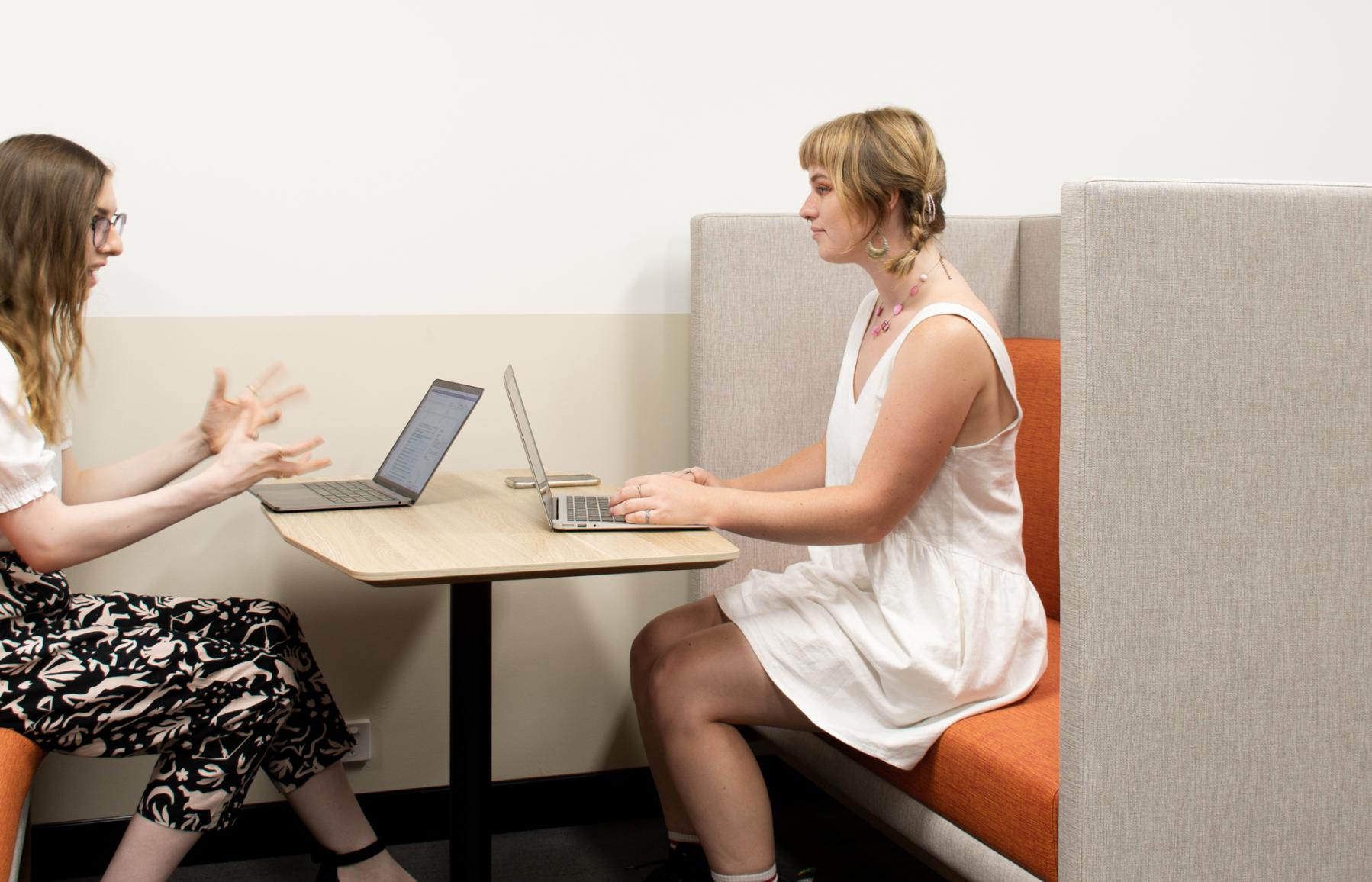
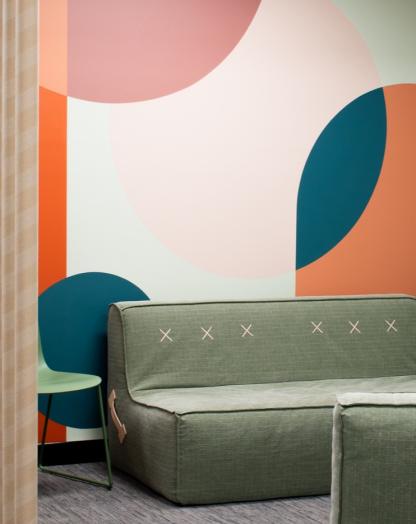
This project transforms a once cramped and retail space in the University of Canberra Hub into a bright, adaptable workspace shared by the Student Representative Council and independent student magazine, Curieux. The design opens up the floor plate to draw in as much natural light as possible and replaces the corporate feel of their former space with an identity that is distinctly student‑led. Flexible zones support a wide mix of activities, from quiet reflection and focused work to group work, spontaneous meetings and larger gatherings, creating a space that feels welcoming, energising and purpose‑built for student leadership and creativity.
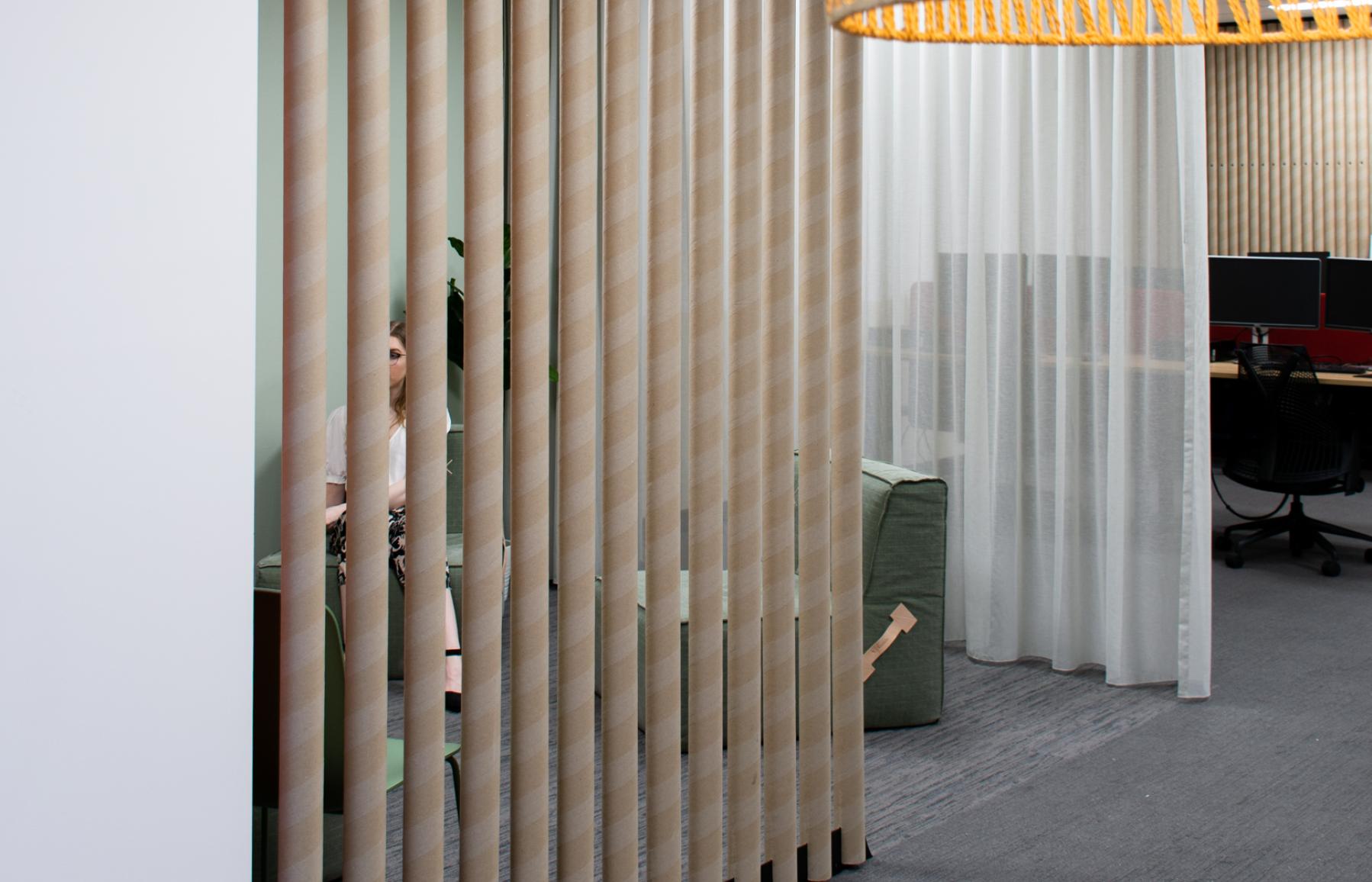
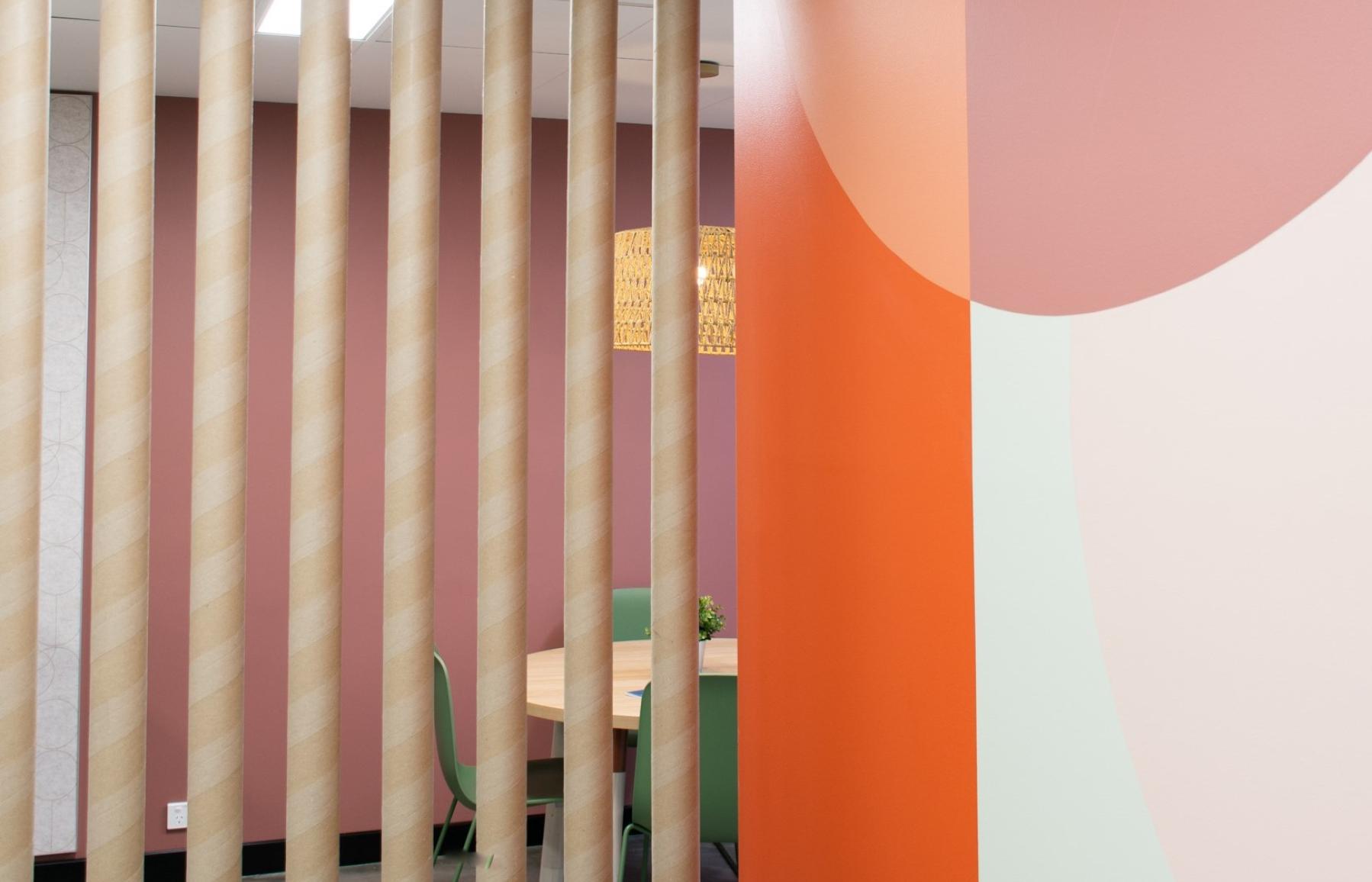
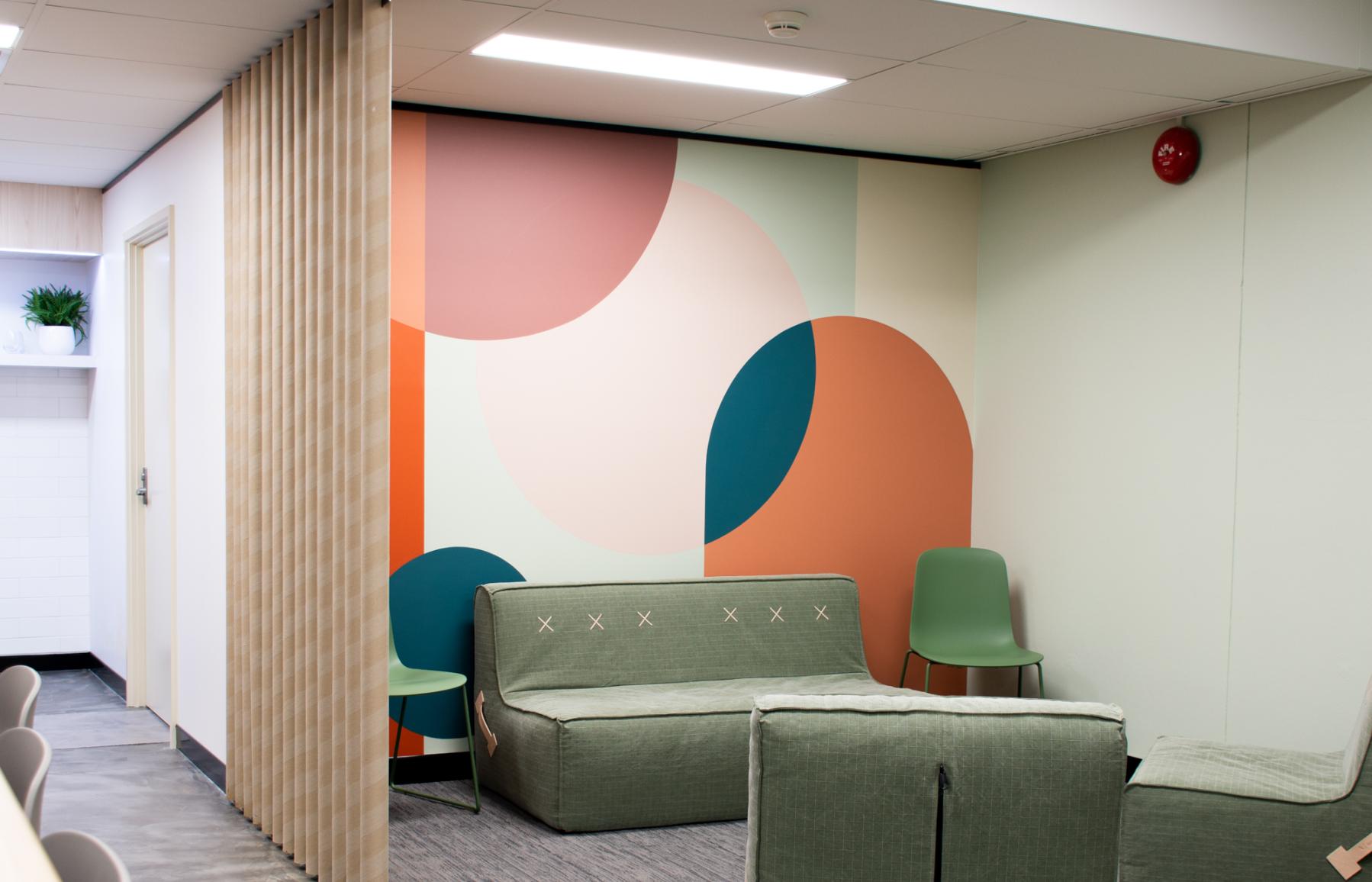
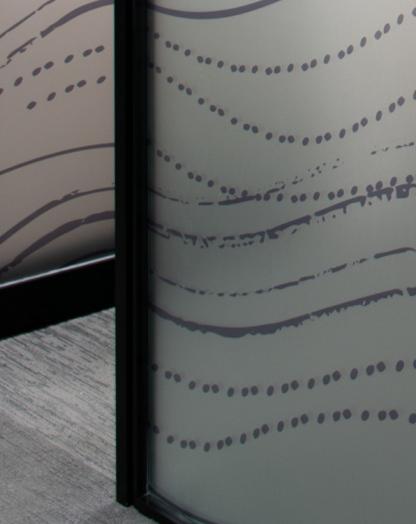
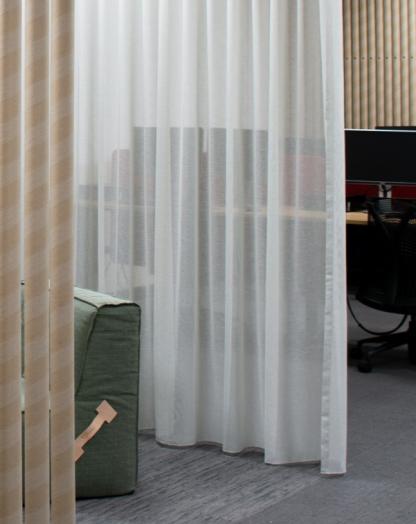
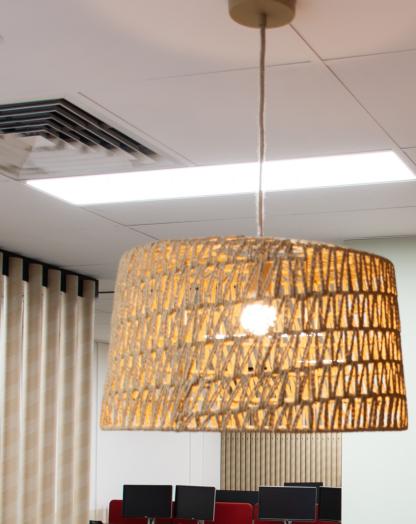
The identity of the space is expressed through colour, culture and collaboration, most notably in the meeting room glazing which carries the theme of ‘trust’ from the Indigenous Design Treatment. This work was delivered in partnership with the University, Glimbaa Creative Agency, Ngunnawal artist Lynnice Church and Goreng Goreng artist Rachael Sarra, ensuring cultural integrity and thoughtful detailing throughout. Within the workspace, simple materials are used in inventive ways to create separation and interest, including repurposed cardboard tubes, curtains and carpet used as spatial dividers. Together, these elements establish a welcoming and expressive environment that is clearly distinct within the University setting.
Photography by Vanessa Smyth
Photography By Vanessa Smyth
Photography By Vanessa Smyth
Photography By Vanessa Smyth
Photography By Vanessa Smyth
Photography By Vanessa Smyth
Photography By Vanessa Smyth
The open plan is supported by integrated sound treatments, allowing different modes of use to sit side by side with comfort and clarity. Acoustic treatment helps manage noise across the shared workspace, allowing focused work, small meetings, and larger group activities to occur without the space feeling chaotic. The arrangement remains easy to adapt as student needs evolve, maintaining clear zones and a sense of openness without compromising the energy or collaborative nature of the space.
The projects key stakeholders wanted the space to feel distinctly student‑led rather than corporate. The design prioritised a welcoming identity with flexible zones that support both everyday work and student gathering.
The project repurposes an existing space, reducing demolition and making use of what was already in place. Recycled cardboard tubes were incorporated as a room‑shaping divider, demonstrating a practical and visible approach to material reuse.
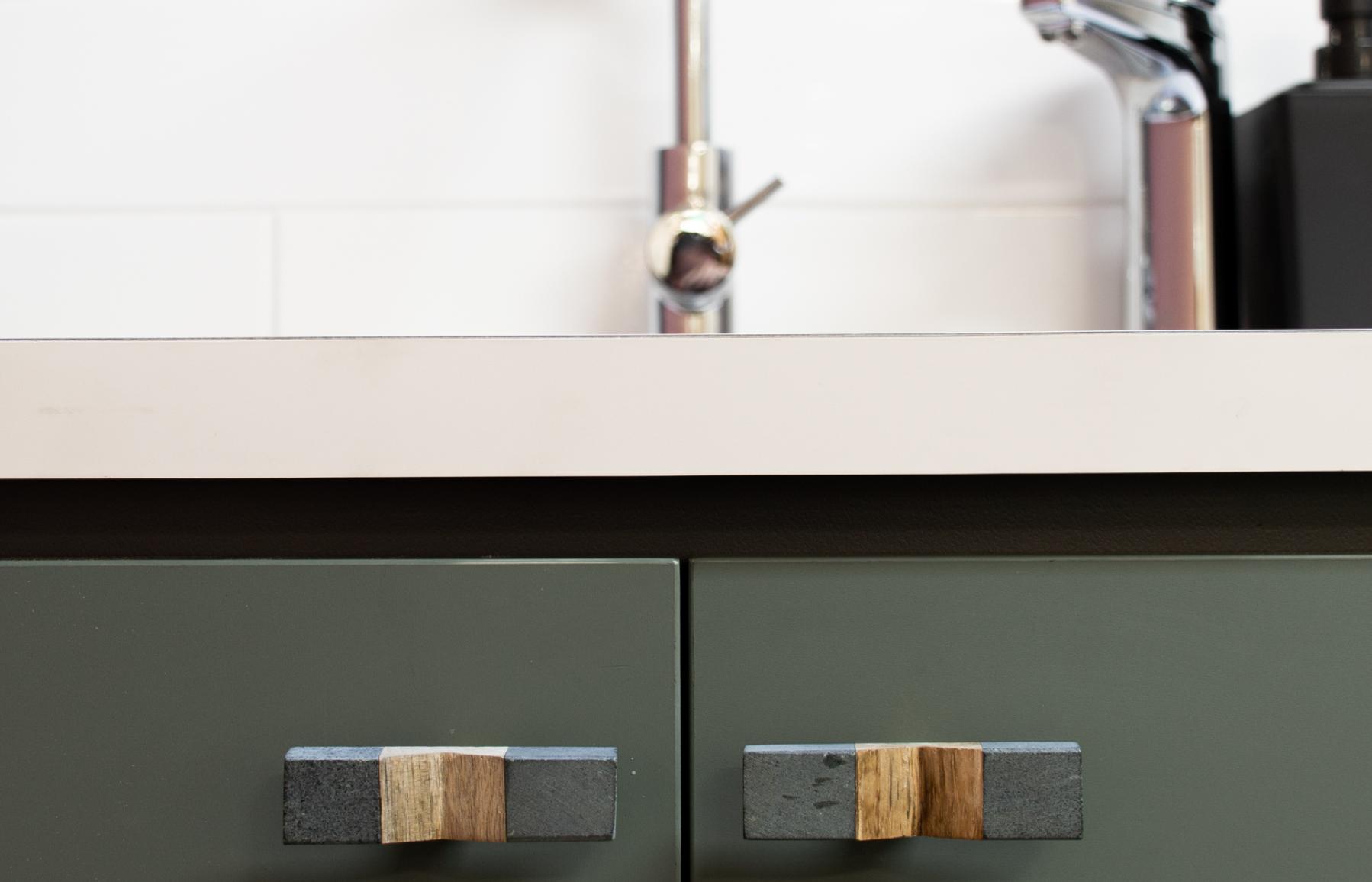
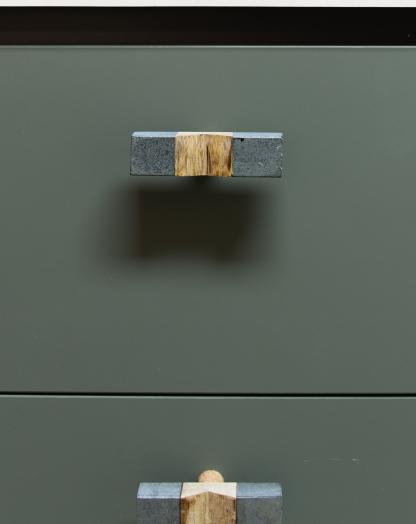
Material choices balance cultural expression with a playful, practical student brief. A limited budget encouraged inventive material use, including carpet and recycled cardboard tubes used to shape zones and create a distinctive, non‑corporate atmosphere.

Have a project in mind? Work with Trella from vision to reality and create something meaningful. Start the conversation now via hello@trella.com.au